
This week I have been fortunate enough to participate in the neuromorphic workshop made available by a plethora of college grads and professors from around the world! The people that attend the workshop, which is located in Telluride, name themselves the Neuromoprhs. Some of the colleges that attend the workshop are Johns Hopkins, Stanford, and Columbia along with many international schools. The focus of the neuromorphic workshop is to introduce progressive new ideas in neuromorphic design and implementations.
There are four topic areas that encompass this years neuromorphic research and design visions. There is understanding the auditory brain with neural networks, language and thought, chip design, and space integrations. The two topics that I am most interested in are the auditory brain topic and the language and thought topic.
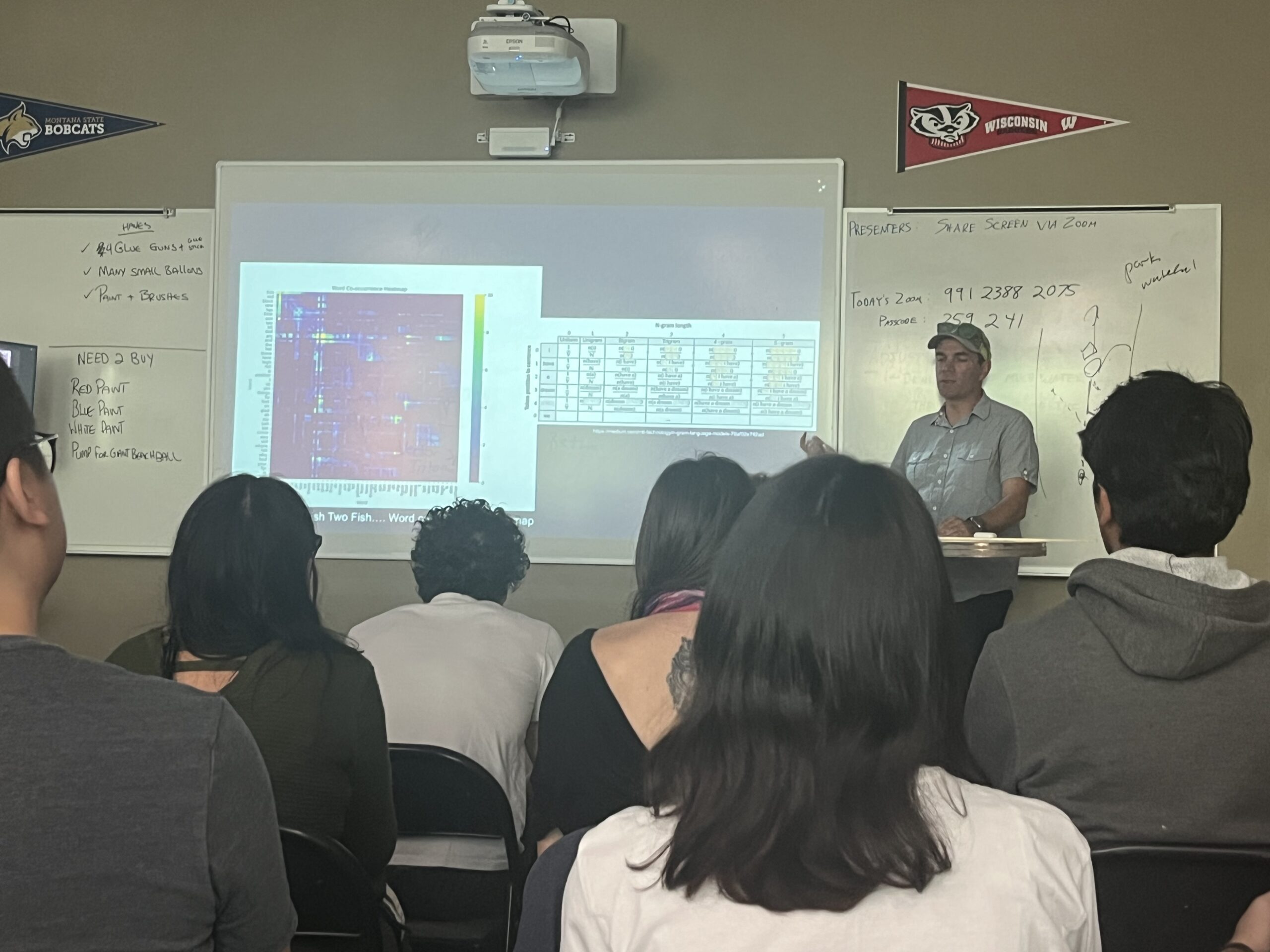
The workshop is structured in which there are presentations from different professors and scholars throughout the day. Later on in the workshop (next week and the one after) there will be less presentations and more project groups. These project groups will decide on which topic they want to focus on and what project they want to do.
I have looked into a lot of these growing projects groups and what their focuses are, and I’ll share some of the ones that I feel are particularly interesting.
EcOg and fMRI— Auditory:
The EcOf and fMRI group is primarily interested in predicting a specific time course (change) in brain activity in the auditory cortex when someone listens to a particular sound. They plan on doing this by getting voxels from EcOg data and trying to accurately predict the time course of those same voxels but with fMRI.
VSA (Vector Symbolic Architecture) implementations — L&T:
In simple terms, a VSA is a way of representing symbols in a neural network as high-dimensional vectors that can effectively reach high level cognitive tasks. Don’t worry, I don’t understand it either.
Event Cameras— Space:
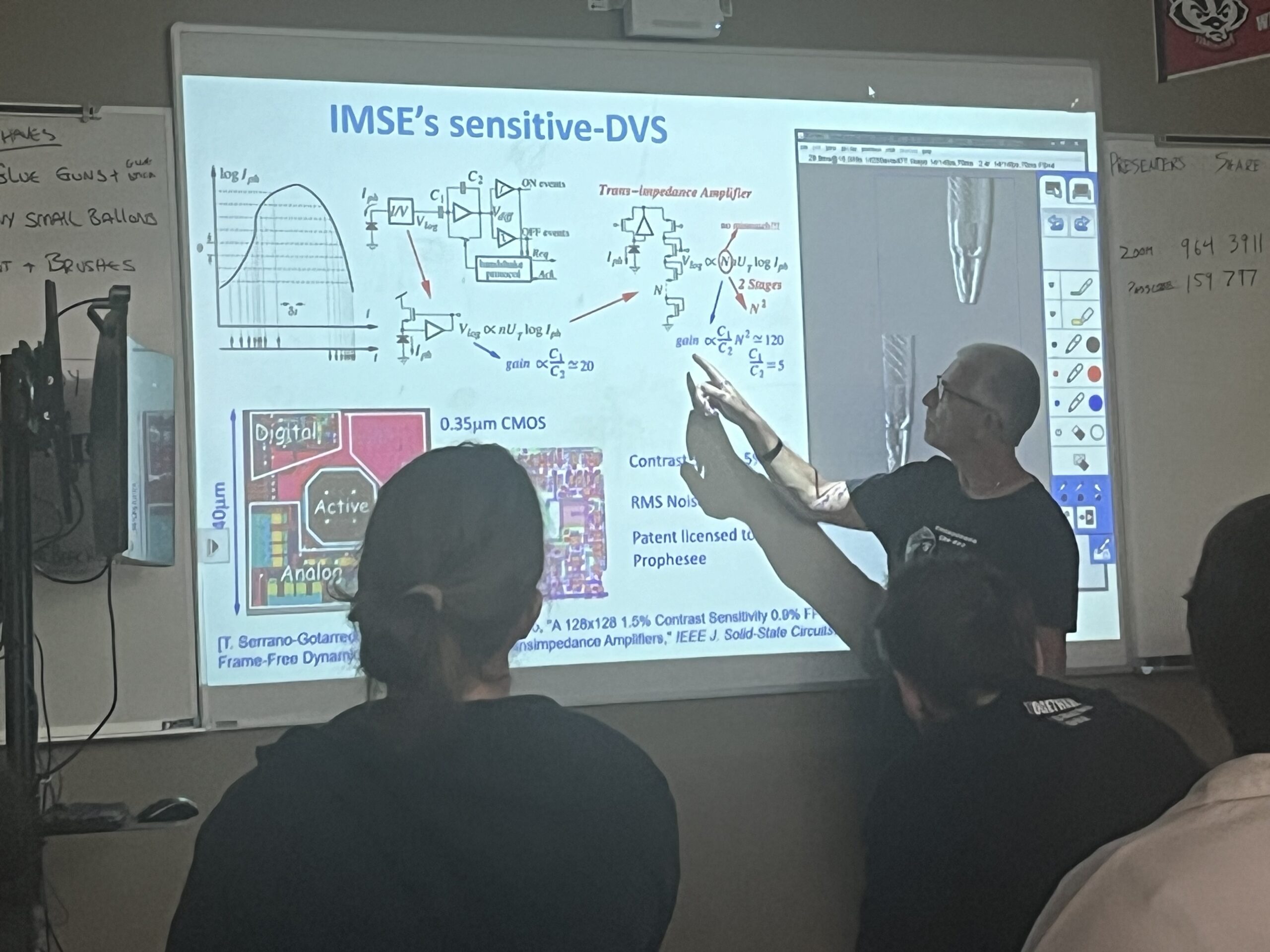
Event cameras are not your usual camera. Instead of a camera that takes constant frames of what is introduced into its lens, an event camera only captures data when an event occurs. An event is registered when a pixel threshold is reached in which at that point there is an on or off event depending on the pixels change. There are many benefits to this kind of camera, like being able to capture events that you wouldn’t otherwise be able to see, or only processing important data allowing for low data rates.

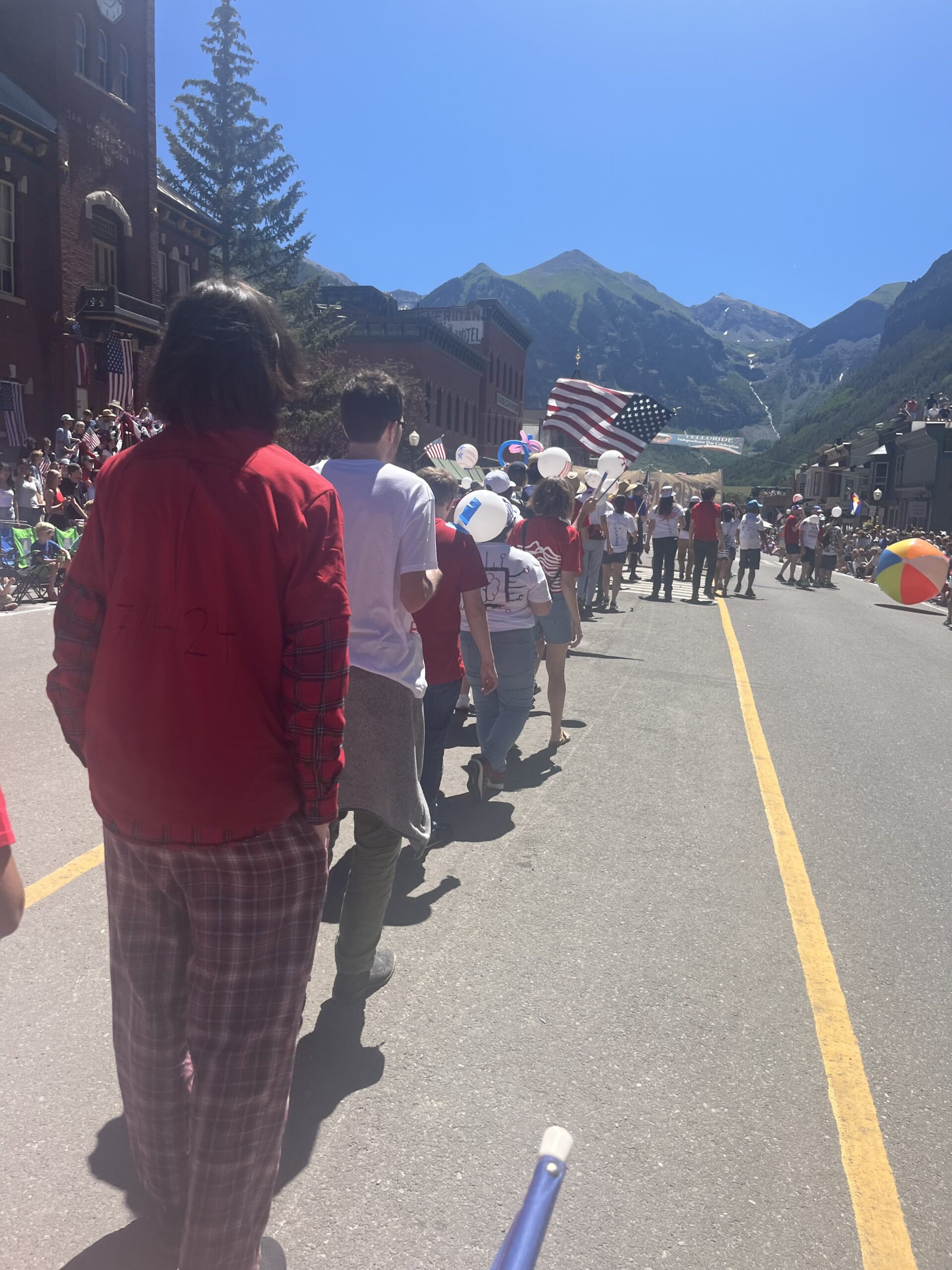
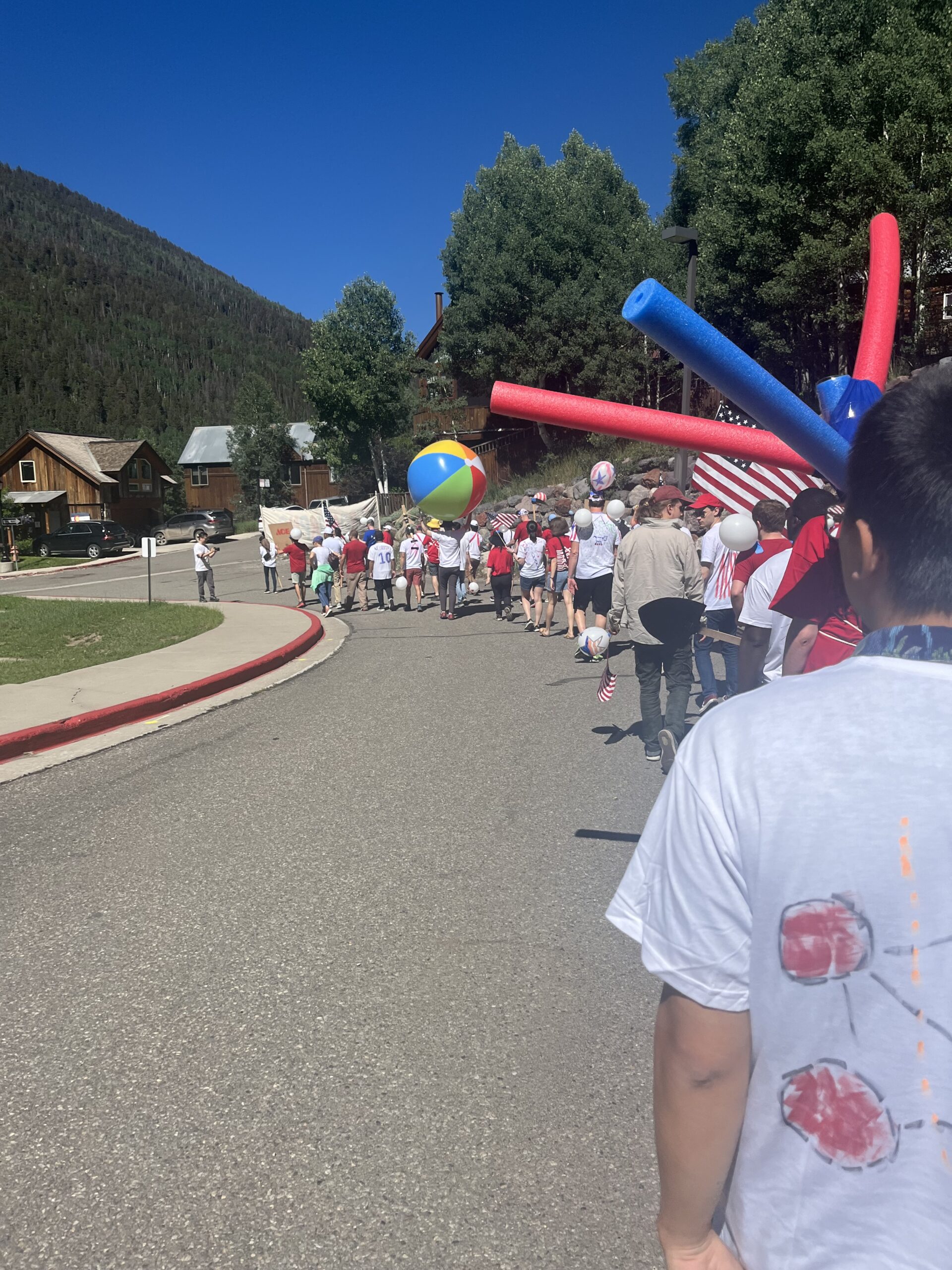
Outside of the neuromorphic workshop, I am typically home researching all the stuff that I don’t know about. Besides my confusion, I participated in the 4th of July parade with the Neuromorphs which was awesome!
There are no comments published yet.